

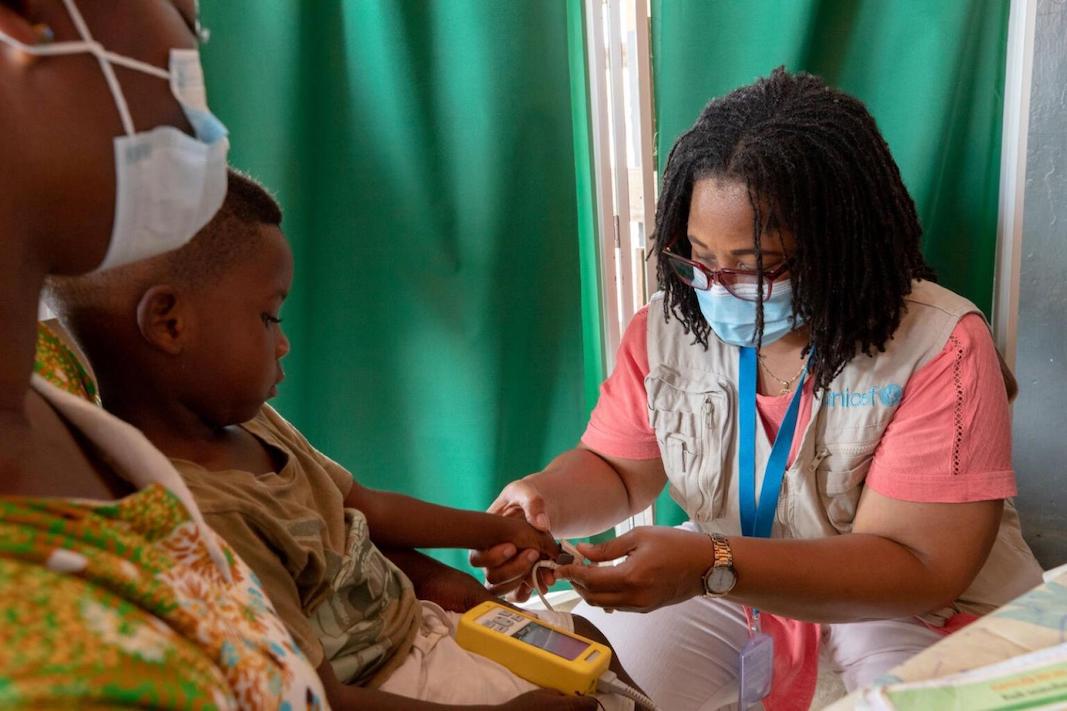
More than 2,000 children die from pneumonia every day.
In underdeveloped countries where access to medical treatment is limited, pneumonia is more common and likely to have serious implications. To improve diagnostics, a convolutional neural network model was used to classify pneumonia in pediatric chest x-rays.
The performance and effectiveness of the model were evaluated, and it was found to have high accuracy in prediction and a high confidence level, with 98% accuracy and an AUC of 0.996. Process augmentation using deep learning algorithms can analyze medical data from individual patients and provide personalized diagnostics, resulting in a potential savings of over $300 million annually in Nigeria’s patient costs.
Our model, which has high accuracy and a high confidence level, has the potential to save over $200 million annually in Nigeria’s patient costs. While further model training, system implementation, and personnel training are required, the potential benefits of implementing deep learning algorithms in pneumonia diagnosis are significant and should be considered as a viable solution for improving healthcare outcomes.